


Buying Guide
How to Buy V8 Engine Model Kits
This quick guide helps you pick the right V8 engine model kit, whether you want a display piece, an educational STEM build, or a fully functional miniature engine. Read the essentials, compare types, avoid common pitfalls, and leave with a short checklist to buy with confidence.
Key factors to consider
Price and purpose: kits range from under $100 to well over $1,500; decide if you want a decorative resin model, a motor-driven demonstration, or a full metal combustion-style engine.
Materials and durability: resin or 3D printed parts are detailed and affordable but fragile; aluminum and stainless steel parts are pricier and built to run.
Functionality and power source: some kits are manual or motor-driven (battery), others run on compressed air or fuel; confirm how the kit is powered before buying.
Complexity and time: parts counts vary from a few hundred to 500+ pieces and assembly time typically runs from a few hours to several sessions.
Compatibility and size: check scale and mounting if you plan to install the engine on a model vehicle or display stand.
Included items and support: look for a full parts list, tools, clear instructions, and customer support or replacement parts.
Materials and durability: resin or 3D printed parts are detailed and affordable but fragile; aluminum and stainless steel parts are pricier and built to run.
Functionality and power source: some kits are manual or motor-driven (battery), others run on compressed air or fuel; confirm how the kit is powered before buying.
Complexity and time: parts counts vary from a few hundred to 500+ pieces and assembly time typically runs from a few hours to several sessions.
Compatibility and size: check scale and mounting if you plan to install the engine on a model vehicle or display stand.
Included items and support: look for a full parts list, tools, clear instructions, and customer support or replacement parts.


Types and important features to look for
Main types you will see:
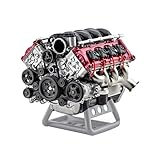
- Decorative 3D printed resin models for display and demonstration of mechanics.
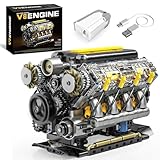
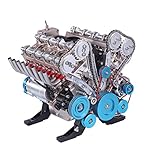
- Motor-driven metal kits with electric motors and rechargeable batteries for safe indoor operation.
- Fully functional small-scale combustion or compressed-air engines built from metal for realistic running and teaching real engine principles.
- Cooling system: water cooling improves realism and running stability on high performance kits.
- Ignition and carburetion: CDI ignition and adjustable carburetors are signs of a higher-end running kit.
- Reinforcements: bearings, reinforced crankshafts, and dual piston rings increase longevity and smooth operation.
- Precision fit: CNC-machined parts and stainless fasteners reduce alignment headaches during assembly.
Where to buy and common mistakes to avoid
Online marketplaces offer the widest selection and price comparison but verify seller ratings, return policy, stock levels, and shipping times before purchase.
Local hobby shops let you examine build quality, get advice, and buy spare parts faster, but selection may be limited.
Common mistakes to avoid:
Local hobby shops let you examine build quality, get advice, and buy spare parts faster, but selection may be limited.
Common mistakes to avoid:
- Assuming a kit includes power source or fuel; read the product description carefully.
- Buying a fragile resin running kit if you plan frequent operation.
- Overlooking required tools and replacement parts; many kits need hex drivers, threadlock, or small lubricants not always included.
- Ignoring scale and mounting compatibility if you intend to fit the engine into an RC chassis.

Expert tips and quick checklist
Practical tips:
- If you want to run the engine often choose metal parts and verified cooling/ignition features.
- For a budget display or classroom demo a high-detail resin kit delivers good value.
- Confirm estimated assembly time and parts count when planning a weekend build.
- Ask the seller about spare parts, warranty, and assembly videos or manuals.
- When buying a combustion or compressed-air kit review safety guidance on fuel handling and ventilation.
- Purpose: display, teaching, or running?
- Material: resin or metal?
- Power type: motor, compressed air, or fuel?
- Included tools and manual: yes or no?
- Return policy and spare parts availability: checked?
Final Thoughts
Match the kit to how you will use it: pick resin for display, mid-range metal motor kits for safe demonstrations, or high-end metal running kits for realistic operation. Set your budget, confirm power and parts, and choose a seller with clear support and returns. Start with a mid-priced kit if you are new, and upgrade once you know how you will use it.