



Buying Guide
How to Buy a Dual Dash Camera
This short guide helps you choose a dash camera that records clear evidence, protects your vehicle while parked, and is easy to use. It covers the must-have factors, the main types you will see, the key specs to prioritize, and practical buying tips so you can act fast.
Key factors to consider
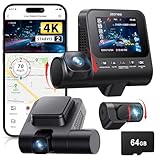
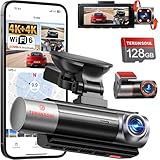
Resolution and channels matter most. A 4K front camera plus a 1080p rear is common and gives clear license plate detail; some units offer 4K for both front and rear. Night performance and sensor quality determine usable footage after dark. Parking protection requires a continuous-power hardwire kit; check whether that kit is included or sold separately. Connectivity features like 5GHz or dual-band Wi-Fi and a phone app make downloading clips fast. Storage support and what microSD card is included are important - look for units that include at least a 64GB card and support 256GB or more. Finally, verify operating temperature, warranty length, and available customer support.


Types and form factors
Main types you will encounter:
- Single-channel front-only cameras - cheaper, simpler for basic recording.
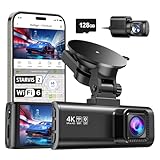
- Dual-channel front + rear - best for full coverage and common for accident evidence.
- Dual 4K + 4K systems - higher cost, best if you frequently need clear rear footage.
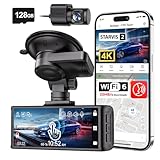
- Mirror or mini hidden designs and touchscreen units - choose based on aesthetics and ease of use.
Features and specs checklist
Use this quick checklist when comparing products:
- Resolution and frame rate - aim for 4K front at 30fps or better; rear 1080p is acceptable.
- Wide angle - 140 to 170 degrees covers most lanes without excessive distortion.
- Aperture and low-light - F1.5 to F1.8 and WDR or HDR improve night footage.
- Sensor quality - look for proven star-level sensors or explicit low-light marketing.
- Storage - included microSD size, maximum supported (256GB to 512GB), and use Class 10 or U3 high endurance cards.
- Power design - supercapacitor is safer in heat than lithium battery; parking mode typically needs a hardwire kit.
- Protection - G-sensor and loop recording to lock crash clips.
- Connectivity - 5GHz or dual-band Wi-Fi for fast downloads, plus a robust phone app; optional built-in GPS if you need speed/location logging.
- Extras - touch or voice control for ease, heat-resistant chipset, and clear warranty terms (12 to 18 months common).

Where to buy, common mistakes, and expert tips
Online retailers offer wider selection, fast delivery, and easy returns; local stores let you inspect in person and get help with professional installation. Before buying, check return policy, warranty, and seller reputation. Common mistakes to avoid:
- Buying without checking max microSD capacity or using a low-quality SD card.
- Assuming parking mode works without buying a hardwire kit and professional installation.
- Ignoring power source and heat tolerance, which can shorten life in hot climates.
- Mounting so the camera blocks airbags or the driver view instead of discreetly behind the rearview mirror.
- Pick dual-channel if evidence from behind matters to you.
- Prioritize 5GHz Wi-Fi for faster file transfers and better app experience.
- Use a high-endurance U3 or Class 10 microSD and format it in the camera before use.
- Opt for a supercapacitor if you park in high heat frequently.
- Test the camera and app immediately after installation and keep firmware updated.
Final Thoughts
Choose a dual-channel unit with strong night performance, reliable parking mode support, and solid app connectivity. Buy from a seller with a clear return policy and at least a 12-month warranty, add a high-endurance microSD card, and install or hardwire the unit properly for continuous protection.