


Buying Guide
How to Buy Wired Over-Ear Headphones
This quick guide helps you pick wired over-ear headphones by focusing on real features and trade offs. It covers what to prioritize, the main types available, the specs that matter, where to buy, common mistakes, and fast expert tips so you can decide and buy confidently.
What to consider first
Start with how you will use the headphones. Are you mixing or monitoring audio, gaming with chat, or using them for travel and calls? Prioritize these in this order: sound accuracy for studio work, mic quality and surround features for gaming, portability and low weight for mobile use. Note price tiers from the examples analyzed: very affordable studio-style wired models around $25 to $30, midrange gaming options near $65 with virtual surround, and higher end sets near $120 that include a USB sound adapter and advanced mic processing. Also check whether the pair is wired-only or includes a USB adapter and software that can add surround or EQ.


Main types and who they suit
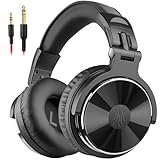
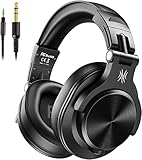
- Studio monitor headphones: Best for recording, mixing, and accurate listening. Look for larger drivers, neutral balance, single-ear swivel for monitoring, and long or coiled cables with 1/4 inch adapters.
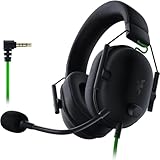
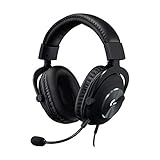
- Gaming headsets: Designed for positional audio and communication. Expect a detachable boom mic or built-in mute, USB sound cards and software for virtual surround and EQ presets, and comfort features like memory foam pads.
Key features and specs to check
- Driver size and sound: 40 to 50 mm drivers are common. Bigger does not always mean better; consider reviews for clarity, bass control, and midrange presence.
- Impedance and sensitivity: Midrange impedance (around 30 to 50 ohms) works well with phones, laptops, and audio interfaces. Very high impedance needs an amp.
- Connection and adapters: Confirm 3.5 mm vs USB and whether a 1/4 inch adapter is included for studio gear. Coiled and long cables matter for studio use; detachable cables add flexibility.
- Microphone and controls: For clear voice comms, choose a detachable or flip-to-mute boom mic and look for software noise reduction if you need broadcast quality.
- Comfort and build: Memory foam earpads, adjustable headbands, and a reasonable clamp force reduce fatigue for long sessions. Foldable designs help with portability.
- Extra conveniences: Single-ear swivel for monitoring, a share-audio jack to daisy chain another pair, and onboard EQ storage via a USB adapter are useful depending on your use case.

Where to buy, common mistakes, and quick tips
- Online vs retail: Buy in store if you want to test comfort and clamp force. Buy online for better selection and often lower prices. Always check the return policy and warranty when buying online.
- Common mistakes: Choosing only by driver size, ignoring microphone quality, assuming USB surround will work on all devices, forgetting to confirm included adapters, and skipping user reviews about comfort and long term durability.
- Expert quick tips: Read reviews that mention mic clarity and comfort after hours of use. Prefer replaceable ear pads and detachable cables for longevity. If you need precise mixing, favor neutral sound over boosted bass. For gaming, prioritize mic noise reduction and software EQ. Keep a short checklist when ready to buy: intended use, connector type, cable length and adapter, mic type, comfort, return window, and warranty.
Final Thoughts
Pick the headphone type that matches your main use, verify connectors and adapters, and test comfort or confirm returns before you buy. Focus on mic quality and software only if you need them, and choose replaceable parts and detachable cables to extend product life.