



Buying Guide
How to Buy Dog Toys
This quick guide helps you choose safe, engaging, and durable dog toys. It covers what matters most, the main toy types, must-have features, where to shop, common mistakes, and expert tips so you can buy with confidence.
Key factors to consider
- Dog size and jaw strength - match toy size and material to your dog's weight and chew intensity.
- Play style - choose treat-dispensing or puzzle toys for mental work, plush or squeaky toys for interactive play, and rugged ropes or rubber for heavy chewers.
- Safety and materials - prefer non toxic, chew resistant materials and stuffingless options for chewers that rip toys apart.
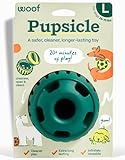
- Cleanability - look for toys that open for easy filling, rinse clean or are dishwasher safe.
- Longevity vs cost - inexpensive multi-packs are good for variety, while specialty interactive toys buy extra engagement time.


Types and who they suit
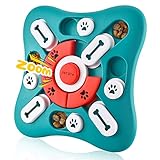
- Treat-dispensing puzzles: Great for bored dogs and long solo sessions; choose easy-open filling and a weighted base to prevent tipping.
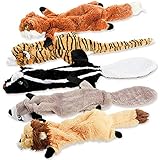
- Plush squeaky toys without stuffing: Best for light to moderate chewers and dogs that love noise; reduces mess if toys are torn.
- Automatic moving balls and motion-activated toys: Ideal for high-energy dogs that chase; check battery life, speed modes, and replaceable parts.
- Rope and chew packs: Good for puppies, teething, and tug-of-war; use as training rewards or group play items.
- Recording or music toys: Helpful for dogs that react to sounds and benefit from stimulation when alone; verify durability around the sound module.
Important features and where to buy
- Material specifics - natural rubber or reinforced rubber for chewers, plush fabric with strong stitching for casual play.
- Functional features - stuffingless design, two speed or mode options, motion sensors, Type-C charging for electronics, and dishwasher or sink-safe parts.
- Replacement parts and warranty - prefer toys that include spare accessories or offer easy returns and a quality guarantee.
- Price signals - many good options fall in the $15 to $25 range; specialty electronic toys can be higher.
- Online vs retail - buy online for wider selection, user reviews, and often better guarantees. Shop in-store to inspect size, texture, and stitching before purchase.

Common mistakes to avoid and expert tips
- Mismatch chew strength - do not give delicate plush to aggressive chewers; choose toys rated for your dog's bite force.
- Small parts hazard - avoid toys with removable small pieces for puppies and small breeds.
- Neglecting supervision - always supervise new toys until you know how your dog interacts with them.
- Tip - rotate a small selection of toys to maintain interest and extend each toy's life.
- Tip - pair treat-dispensing toys with high-value fillings for longer engagement and use motion-activated toys for short, supervised bursts to avoid overstimulation.
- Tip - read recent user photos and Q and A when buying online to confirm real-world durability and sizing.
Final Thoughts
Pick toys based on your dog's size, chewing style, and activity needs. Start with one interactive and one durable chew or rope toy, supervise new items, and rotate regularly. Buy from sellers with clear return policies and warranties to protect your purchase.