




How to Buy Reusable Sous Vide Bags and Handheld Vacuum Sealers
This short guide helps you choose reusable sous vide bags and the handheld vacuum pumps and kits that go with them. It covers what matters most, the common product types, must-have features to check, where to buy, mistakes to avoid, and quick expert tips so you can buy fast and cook with confidence.
What to consider before you buy
- Material and safety: look for BPA free materials or food grade silicone and PA+PE laminates.
- Cooking method: do you need true vacuum sealing or will the water displacement method be enough?
- Compatibility: ensure bags and valves work with your immersion circulator and any vacuum pump you plan to use.
- Portability and power: cordless rechargeable pumps are convenient for travel and small kitchens; manual pumps are budget friendly.
- Accessories: clips, sealing clamps, jar sealer attachments, and sealing discs can add real value.
- Care and durability: check dishwasher or oven ratings for silicone bags and inspect warranty or lifetime-replacement promises.


Types and how they differ
- Reusable silicone bags that do not seal: designed for the water displacement method. Pros: flexible, oven and microwave safe in many cases, long lasting. Cons: no built-in vacuum valve.
- Reusable vacuum bags with valve plus pump: bags have an air valve and are used with a manual or electric pump to remove air. Pros: airtight vacuum, good for sous vide, marinating and freezer storage. Cons: need a compatible pump.
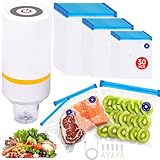
- Handheld vacuum sealer pumps: come as manual pumps, battery rechargeable electric pumps, or small electric pumps with water-trap protection. Pros: fast sealing, portable; rechargeable models often finish a seal in around 10 seconds. Cons: check for a removable water reservoir to protect the pump when sealing wet foods.
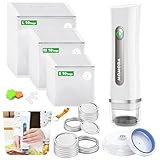
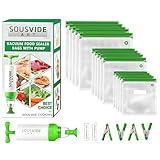
- Complete kits: bags in multiple sizes plus pumps, clips, and jar sealer attachments. Pros: immediate convenience for most home cooks. Cons: quality of accessories can vary, so check materials and warranties.
Key features to check, where to buy, and quick buying rules
- Material and temperature rating: silicone bags can be oven safe up to about 425°F; laminated bags are good for sous vide and freezer use but may not tolerate oven heat.
- Bag sizes and counts: choose sets with sizes that fit typical portions; extra large bags are worth it if you cook large roasts.
- Sealing method: verify if the bag seals with a valve or relies on water displacement.
- Pump type and protection: rechargeable electric pumps offer speed; make sure there is a water storage or trap to avoid pump damage when sealing wet foods.
- Accessories: look for clips to hold bags to the container edge, sealing clamps, jar sealer attachments, and spare sealing discs.
- Care and warranty: dishwasher safe and lifetime or long warranties add confidence.
- Online marketplaces and brand sites: best for selection, customer reviews, and bundle deals.
- Big-box and specialty kitchen stores: useful if you want to feel materials or ask staff questions in person.
- Buy rules: check return policy and warranty, read recent reviews about durability and pump reliability, and prefer sellers that publish clear specs on material and temperature limits.

Final Thoughts
If you mostly sous vide and want airtight storage, choose valve bags plus a pump and confirm the pump has a water-trap or removable reservoir. If you prefer zero plastic and oven-safe options, choose food-grade silicone bags that use the water displacement method. Buy a kit if you want everything at once, but check materials and accessory quality before purchasing. Boil new silicone bags once before first use, keep a few sealing clips on hand, and charge your pump before relying on it away from home.


