




Buying Guide
How to Buy Polyphenol-Rich Extra Virgin Olive Oil
This quick guide helps you choose high-polyphenol extra virgin olive oil. It covers what to look for, the main types you will see, key specifications to check, where to buy, common pitfalls, and short expert tips so you can buy a fresh, potent bottle that fits your use and budget.
What to consider and types available
Decide how you will use the oil: daily spoon shots and finishing require high polyphenol, robust flavor oils; general cooking can use milder extra virgin oils. Origins matter for flavor but not always for quality. Common types you will encounter:
- Single estate or single origin: from one farm, easier to trace quality.
- Monovarietal: made from one olive variety, consistent tasting notes.
- Blends: often milder; check origin and testing when choosing blends.
- Unfiltered or raw: fuller flavor and sediment, often higher polyphenols but shorter storage life.
- Filtered: clearer appearance and longer shelf life.


Features and specifications to check
Look for objective details on the label or product page that predict freshness and potency. Key specs to check:
- Polyphenol content: values above 500 mg/kg indicate a high level; over 1,000 mg/kg is exceptional for medicinal-style use.
- Free acidity (FFA): legal extra virgin is under 0.8%; top-quality oils often list values below 0.3%.
- Harvest date and best-by: choose the most recent harvest; best within 12 to 18 months of harvest.
- Extraction method: first cold press or cold extracted ensures lower heat damage.
- Certifications and lab tests: USDA organic, origin certifications, or independent lab reports add trust.
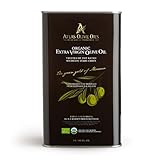
- Packaging: dark glass or tin protects oil from light; avoid clear plastic bottles for long term storage.
- Unfiltered vs filtered: unfiltered offers bolder flavor but use sooner; filtered stores longer.
- Smoke point and intended use: finishing oils do not need a high smoke point; choose cooking oils specifically tested for high-heat use if needed.
- Price per ounce: compare to understand value, especially for larger formats.
Where to buy and a quick buying checklist
Online retailers offer the widest selection, harvest dates, and often lab certificates; they are best when you want specific polyphenol levels or single-estate bottles. Local specialty stores and farmers markets let you smell and taste before you buy and are great for fresh, small-batch oils. When buying, run this quick checklist:
- Is a harvest date listed? Prefer the freshest harvest available.
- Is polyphenol level or lab test provided? Look for numbers or certificates.
- Is the bottle dark glass or a sealed tin? That protects quality.
- Is the oil labeled first cold press or cold extracted and extra virgin?
- Check return policy and shipping conditions for online purchases.

Common mistakes to avoid and expert tips
- Do not buy solely on "extra virgin" text without seeing harvest date or test results.
- Avoid oils in clear plastic bottles for long term storage; light and heat speed degradation.
- Don't assume higher volume equals better value if you will not use it within a year.
- Skip oils with vague origin labels like "product of multiple countries" if you want traceability.
- Storage tip: keep bottles in a cool, dark cabinet away from heat sources and use within 12 to 18 months of harvest.
- Tasting tip: a high-polyphenol oil often has green fruitiness, a bitter edge, and a peppery finish in the throat; sample a small spoon to check freshness.
- Use tip: reserve the highest-polyphenol bottles for daily spoon shots, salads, dipping, and finishing. Use milder extra virgin olive oil for pan cooking or higher-heat tasks.
Final Thoughts
Buy a smaller bottle of a recent harvest with a listed polyphenol value or lab test if you want the health and flavor advantages. Prefer dark glass or tins, verify cold extraction and low acidity, and store oil away from light and heat. If you want to act quickly: pick a fresh early-harvest, lab-tested bottle and use it for finishing and daily spoonfuls to get the most benefit.


