




Buying Guide
How to Buy a Methylated Multivitamin
This quick guide helps you choose a methylated multivitamin that fits your needs. It covers what to look for, the main product forms, key ingredients and specs, where to buy, mistakes to avoid, and simple expert tips so you can act fast.
Key factors to consider
Think about your goals and constraints before you buy.
- Personal needs - energy, immune support, bone or prostate health, hair and skin, or workout recovery.
- Methylation status - if you suspect MTHFR issues or are sensitive to folate/B12, choose pre-methylated forms and start low.
- Form and compliance - pick a format you will take daily: gummies, capsules, or tablets.
- Dietary restrictions - vegan, sugar-free, allergen-free options exist; check sweeteners and gelatin.
- Price and supply - common price range is about $21 to $55; check cost per day and servings per bottle.
- Quality - look for third-party testing and cGMP manufacturing claims.

Types and forms available
Know the tradeoffs between formats and targeted formulas.
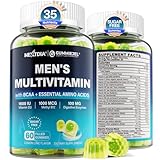
- Gummies - easy to take and kid-friendly; look for sugar-free options sweetened with monk fruit or allulose if you need low sugar. May have lower doses per serving.
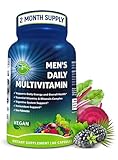
- Capsules and tablets - usually higher potency, better for long-term supplementation. Some use acid-resistant capsules for improved absorption.
- Targeted blends - multivitamin plus amino acids or BCAAs for muscle support, formulas with probiotics and digestive enzymes for gut health, or added ingredients like saw palmetto for prostate support.
- Specialty ingredients - methylated B12 and folate, CoQ10 and lutein for cognitive and eye support, chelated minerals and calcium citrate for absorption.
Important features and specs to look for
Use this checklist when comparing labels.
- Methylated forms - look for methylcobalamin or cyanocobalamin? choose methylcobalamin and 5-MTHF or Quatrefolic for folate.
- Active B vitamins - P5P (active B6) and a full B complex support energy and mood.
- Vitamin D and K - D3 (lichen-sourced if vegan) plus K2 as MK-7 directs calcium to bone.
- Mineral forms - calcium citrate and chelated minerals are gentler and better absorbed than carbonate forms.
- Extras that matter - amino acids/BCAAs for recovery, probiotics and enzymes for digestion, antioxidants like CoQ10 and NAC for cellular support.
- Purity and testing - third-party lab testing, no unnecessary fillers, free from major allergens, and made in cGMP facilities.
- Serving size and potency - check actual milligrams or micrograms and percent daily value to avoid under or overdosing.

Where to buy, common mistakes, and expert tips
Decide between online and brick and mortar based on convenience and verification.
- Online - better selection and prices, easier to compare ingredient forms and customer reviews. Look for reputable sellers, clear batch and expiration info, and subscription discounts.
- Retail - good for immediate purchase and talking to a pharmacist; inspect the bottle and ingredient list in person.
- Choosing by price alone and ignoring ingredient forms.
- Stacking similar supplements and exceeding safe daily amounts.
- Ignoring potential interactions with medications or existing conditions.
- Not checking for third-party testing or hidden fillers and allergens.
- Calculate cost per day to compare value across bottle sizes.
- If new to methylated vitamins, start low and slow to let your body adapt.
- Pick the form you will take consistently; efficacy depends on regular use.
- Consult your clinician if you take medication or have a chronic condition, especially for high-dose B vitamins or minerals.
Final Thoughts
Choose a formula that matches your health goals, preferred form, and dietary needs. Prioritize methylated B forms if needed, verify quality and testing, check cost per day, and start with a conservative dose. When in doubt, consult a healthcare professional before starting a new supplement.


