



Buying Guide
How to Buy Metatarsal and Arch Support Insoles
This quick guide helps you pick the right metatarsal and arch support insoles for ball of foot pain, plantar fasciitis, Morton's neuroma, long shifts on your feet, or high-impact activities. Use these practical checks to choose inserts that fit your foot shape, shoes, and daily demands.
Key factors to consider
Start with your foot problem and activity level. Insoles that work for standing all day may not be ideal for running or for dress shoes.
- Primary issue: ball of foot pain, arch collapse, overpronation, plantar fasciitis, or general fatigue.
- Arch type: low, medium, or high arch will determine firmness and arch height needed.
- Shoe type: work boots, athletic shoes, casual/dress shoes, and narrow or wide toe boxes need different thickness and shape.
- Body weight and impact: heavier users or heavy-impact use benefit from sturdier materials and higher weight ratings.
- Size and fit: some insoles are full-length and ready to use, others require trimming to shoe size; check width notes.


Types and categories
Know the common insole styles so you pick the right form factor.
- Full-length orthotic: maximum coverage and arch control, often no trimming required.
- Three-quarter insert: thinner under toes, easier to fit into tighter shoes.
- Heavy-duty impact insoles: reinforced core, carbon or dense foam for high-impact work and athletes.
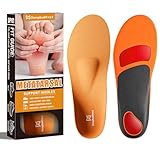
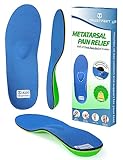
- Metatarsal-specific inserts: built-in metatarsal pad or raised area to redistribute pressure away from the ball of the foot.
- Cushioning-focused insoles: softer foams for comfort with lighter support.
Important features and specifications
Match features to your needs rather than marketing claims.
- Arch height and firmness: choose medium to high firmness for support problems; softer for comfort-only use.
- Metatarsal pad: essential when relieving forefoot pressure and Morton's neuroma symptoms.
- Heel cup depth: a deep U-shaped cup improves stability and controls ankle motion.
- Materials: EVA, PU foam, Poron, or carbon fiber cores offer different durability and shock absorption; denser materials last longer under heavy load.
- Breathability and top cover: moisture-wicking, antimicrobial fabrics reduce odor and keep feet dry.
- Weight capacity and durability: heavy-duty designs may support up to around 300 pounds and last longer in demanding jobs.
- Sizing and trimming: check whether insoles come in ordered sizes or require trimming; incorrect trimming ruins support.

Where to buy, common mistakes, and expert tips
Buy online for variety and reviews, or in store to try fit before you buy. Compare return policies and whether a trial or satisfaction guarantee is offered.
- Online: best for selection, reading user experiences, and comparing specs; confirm return policy and sizing charts.
- In store: useful to test fit in your actual shoe and feel arch and metatarsal placement.
- Common mistakes: buying by price alone, ignoring arch height, failing to check width, trimming without guidance, and expecting immediate elimination of chronic pain.
- Expert tips: measure your arch and compare to product arch height, match insole thickness to shoe volume, start by wearing new insoles a few hours a day to let feet adapt, replace insoles every 6 to 12 months or sooner with heavy use, and consult a podiatrist for severe or persistent issues.
Final Thoughts
Choose an insole that matches your foot shape, primary problem, and shoe type. Prioritize proper arch height, a metatarsal pad if you have forefoot pain, a deep heel cup for stability, and durable materials for heavy use. Buy from a source with a clear return policy and introduce new orthotics gradually for best results.


