



Buying Guide
How to Buy Pull-Out Cabinet and Countertop Organizers
This short guide helps you pick the right pull-out drawer organizers and stackable storage bins for under-sink, vanity, pantry, or countertop use. It covers the essentials to measure, the types available, the features that matter, where to buy, mistakes to avoid, and quick expert tips so you can act fast.
Key factors to consider
Measure first: Width, depth and usable height are critical. Typical depths run about 12 inches and widths from 7.5 to 15 inches. Allow extra height clearance for pipes or other obstacles.
- Space fit: Check drawer external dimensions and single-drawer height; some lower tiers hold up to about 6 inches tall.
- Material and strength: Look for acrylic, PET, or thick PP for clarity and durability and stainless or aluminum support rods for stability.
- Function: Decide if you need stackable units, pull-out slides, or a portable enclosed box.
- Visibility: Clear bins save time finding items.
- Price and value: Expect moderate units in the mid $20s to mid $30s range; cheaper is fine for light use, stronger builds cost more.

Types and where they work best
Know the common styles so you pick the right one for the location.
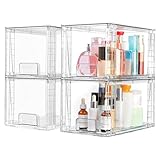
- Stackable multi-tier drawers: Great under sinks and in cabinets to maximize vertical space.
- Pull-out sliding drawers with tracks: Best for deep cabinets and easy access to rear items.
- Single large clear drawers: Useful for wide counters or pantry shelves where larger items are stored.
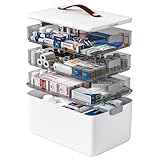
- Portable closed boxes with handles: Ideal for first-aid kits, dorms, or moving supplies between rooms.
Important features, specs to check and common mistakes
Features to prioritize:
- Exact dimensions: Compare internal drawer height to the tallest item you plan to store.
- Support rods and connectors: Metal rods increase load capacity and keep stacked tiers stable.
- Movable dividers and removable drawers: Allow flexible organization for small items like medicines, cosmetics, and spices.
- Non-slip pads and grooves: Prevent sliding when you pull drawers out.
- Slide mechanism: Built-in rails or grooves for smooth, wobble-free operation.
- Material safety: Look for BPA-free plastics if storing snacks or baby items.
- Not measuring cabinet depth and pipe clearance.
- Buying tall units that cannot clear plumbing or doors.
- Ignoring weight limits and overloading top tiers.
- Assuming clear photos mean heavy-duty construction without checking materials.
- Skipping reviews about assembly difficulty and real-world fit.

Where to buy and fast expert tips
Online vs retail: Online gives the widest selection and exact specs; read multiple reviews for fit and durability. Retail allows you to inspect materials and try assembly before buying. Check return policies before you buy. Quick expert tips:
- Measure twice and photograph the inside of the cabinet so you can compare dimensions while shopping.
- If unsure, choose a lower-height or modular unit that can be stacked later.
- Prioritize units with adjustable dividers and non-slip pads for daily use.
- Place often-used items in the top drawer for easy access and heavier items on the bottom tier.
- Combine units for larger spaces rather than overloading one organizer.
Final Thoughts
Pick the organizer that matches your measured space and daily use. Favor clear, well-supported, stackable or pull-out designs with dividers and anti-slip features. Measure carefully, check materials and reviews, and choose a unit that leaves room for plumbing and easy access.


