


Buying Guide
How to Buy Foot Pain Relief Creams and Patches
This quick guide helps you pick the right topical foot pain relief product for plantar fasciitis, heel spurs, nerve discomfort, and general foot soreness. Learn what matters, the main product types, must-have features, where to buy, common mistakes to avoid, and expert tips to get results faster.
Key factors to consider
Identify your main symptom before you buy. Are you treating sharp heel pain first thing in the morning, ongoing nerve tingling, or dry cracked skin that needs moisture?
- Symptom type: plantar fasciitis or tendon pain, neuropathic sensations like burning or tingling, or simply aching and dryness.
- Severity and duration: short term flare vs chronic problem will change whether you need fast numbing or repeated topical care.
- Skin sensitivity and medical conditions: look for diabetic or sensitive skin labeling and avoid known allergens.
- Format preference: patches offer longer single-use numbing; creams provide moisturization and repeated topical relief.
- Active ingredients: common options include topical anesthetics (lidocaine), cooling agents (menthol), and botanical oils or herbal extracts. Check concentrations and directions.
- Size and value: creams range from about 1 to 3 ounces and patches often come in multi-count packs. Expect typical prices in the $11 to $20 range.


Types and how to choose
Match the product type to the problem you want to solve.
- Patches with numbing agent: best for targeted, longer lasting relief when you need up to 8 to 12 hours of pain control during activity. Good for localized heel or arch pain.
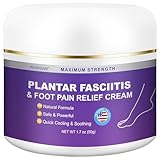
- Topical creams and gels: good for general soreness, moisturizing rough skin, and frequent reapplication. Many absorb quickly and are non greasy.
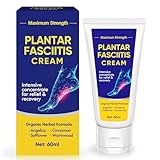
- Herbal or botanical creams: aimed at soothing and circulation support. Patch test first if you have sensitive skin.
- Combination products: creams that include moisturizing ingredients plus analgesics are useful when pain and dry skin coexist.
Important features and where to buy
Look for these product features before you buy:
- Active ingredient clarity: label should state lidocaine percentage or list menthol and botanical constituents.
- Texture and absorption: non greasy, fast absorbing formulas are easier to use during the day.
- Clinical claims and guidance: clinically tested or clinician recommended phrasing is a plus, but read supporting details.
- Dosage instructions and reapplication frequency: patches often last many hours; creams may require multiple daily applications.
- Packaging size and cost per use: compare ounce count or patch count to estimate value.
- Online: best for comparing ingredients, reading many user reviews, and checking question and answer sections. Verify seller ratings and return policies.
- In store: useful if you want immediate use, pharmacist advice, or to inspect texture and smell before buying.
- Safety tip: buy from reputable retailers and check expiration dates to avoid ineffective or counterfeit products.
Common mistakes to avoid and expert tips
- Don’t expect instant cure: topical products relieve symptoms; combine them with stretching, supportive shoes, orthotics, or night splints for best results.
- Never apply to broken or irritated skin and avoid combining multiple topical analgesics unless a professional approves.
- Do a small patch test when trying botanical formulas to avoid allergic reactions.
- Choose patches for concentrated, longer relief and creams when you also need skin repair or daily maintenance.
- Follow label directions on frequency and maximum daily use; more frequent application is not always better.
- If pain is severe, progressive, or accompanied by swelling, numbness, or weight loss, consult a healthcare provider promptly.
- Track what works: note product, application frequency, and symptom change over 7 to 14 days to judge effectiveness.
Final Thoughts
Choose a product based on your primary need: pick a numbing patch for targeted, long lasting relief and a cream for moisturizing or repeat topical care. Start with a single small size to test tolerance and effectiveness, read ingredient labels, and combine topical treatment with mechanical supports and stretching. See a professional if pain persists or worsens.