
Buying Guide
How to Buy Heel Cups and Gel Heel Socks for Heel Pain Relief
This short guide helps you pick the right heel cups or gel heel socks to relieve heel pain, protect sensitive heels, and keep active kids comfortable. Read the quick factors, types, must-have features, buying tips, and common mistakes to avoid so you can act fast.
Key factors to consider
Before you buy, focus on these essentials:
- Purpose - Are you treating plantar fasciitis, heel spurs, Sever's disease, or just cushioning for sports? Match the product to the problem.
- Fit - Choose by shoe size and look for trimmable options or clear size charts. Kids products use different size ranges than adult items.
- Shoe compatibility - Most heel cups work best in closed-heel shoes. Socks or straps work better with cleats, sneakers, or casual wear.
- Activity level - For running and play, pick products with traction or sport grip to stay in place.
- Material and care - Latex-free gel is common and washable products last longer and stay odor-free.
- Budget and value - Expect basic gel inserts from about $15 and specialty socks or multi-packs up to $40. Consider packs for kids to rotate while washing.

Types and categories available
You will typically see these forms:
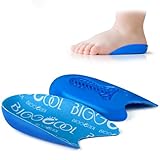
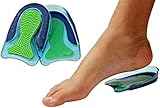
- Full heel cups - a cup that cups the entire heel for maximum shock absorption and alignment.
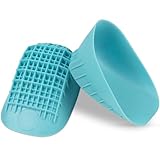
- Heel pads or pads with honeycomb or waffle patterns - focused cushioning and shock distribution under the heel.
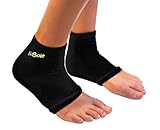
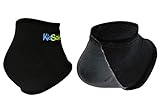
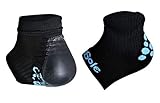
- Gel heel socks and straps - integrated gel in a sock or strap for a snug, low-profile fit and easy wear.
- Traction sport heel cups - designed with a grip layer on the bottom to stay put during play.
- Kids specific designs - smaller sizes, thinner profiles, and sport-oriented grips for sneakers and cleats.
Important features, common mistakes, and specs to check
Look for these features and avoid these errors:
- Cushioning type - Honeycomb or waffle shock-absorbing designs reduce pressure better than flat pads.
- Thickness and height - Thicker cups give more protection but can alter shoe fit. Make sure there is space in your shoe heel.
- Stability - Non-slip bottoms or sport grip prevent migration during activity.
- Adjustability - Trimmable shapes or multiple sizes make fitting easier across shoe types.
- Washability and durability - Machine or hand washable materials extend life and hygiene.
- Common mistakes - Buying the wrong size, using cups in open-heeled shoes, expecting instant cure without rest or exercises, and ignoring return or trial policies.

Where to buy and expert tips
Decide between online and in-store and use these quick tips:
- Online advantages - bigger selection, size charts, customer reviews, and easy price comparisons. Check the return window and seller reputation.
- In-store advantages - try fit inside your shoes and get immediate exchange if something slips or feels bulky.
- Expert tips - buy a two-pack for kids so one pair is always clean, choose pieces eligible for HSA or FSA if needed, and keep receipts for easy returns.
- When to see a professional - if pain is severe, persistent, or limits activity, consult a podiatrist for custom orthotics or a tailored plan.
Final Thoughts
Pick the form that matches your needs, verify size and shoe compatibility, and choose washable, non-slip designs for active use. Buy from a seller with a clear returns policy and try the product at home with light activity. If pain does not improve in a few weeks, seek professional care.