



Buying Guide
How to Buy Leather and Vinyl Repair Kits
This quick guide helps you choose the right leather and vinyl repair kit for sofas, car seats, jackets, shoes and more. It covers the key buying factors, the main kit types, where to shop, mistakes to avoid, and practical expert tips so you can act fast and confidently.
What to consider and key features
Start by matching the kit to the damage and material. Important factors to compare:
- Damage type - small scratches and fading need a recoloring balm; tears, holes or deep cracks need a filler and adhesive.
- Material compatibility - look for explicit support for genuine leather, faux leather, and vinyl.
- Color matching - kits that include multiple color shades or mixing guides produce better results for brown, cream, black and other common colors.
- Included tools - sponges, brushes, gloves, cleaning wipes and mixing palettes speed up the job and help beginners.
- Drying time and flexibility - fast-drying formulas that stay flexible reduce cracking after repair.
- Coverage and size - check how much surface area the kit covers if you have large worn zones.
- Safety and origin - non-toxic formulas and clear return or satisfaction guarantees are helpful when you buy online.

Types of kits and what they contain
Choose the kit type based on the job:
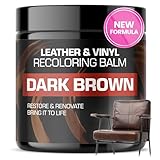
- Recoloring balms and dyes - best for faded color, scratches and surface wear; they recolor and protect but do not fill holes.
- Liquid repair adhesives and fillers - designed to repair tears, holes and missing grain; often include texture compounds and quick-dry adhesives.
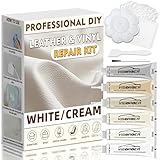
- All-in-one restoration kits - include cleaners, fillers, color compounds, tools and instructions for a full DIY restoration.
- Touch-up or pen-style products - good for tiny scratches and scuffs but not structural repairs.
Where to buy and common mistakes to avoid
Online vs retail - both have advantages:
- Online - wider selection, price comparisons and customer photos. Check detailed images, read reviews and confirm return policy. Pay attention to shipping and expected delivery if you need the fix quickly.
- Retail - lets you see colors in person and test small samples or get advice from store staff. Good for immediate needs and precise color matching.
- Buying for the wrong material - a vinyl product may not bond well to genuine leather.
- Skipping surface prep - dirt and oils prevent adhesion; always clean and dry first.
- Relying on color alone - test mixes on a hidden spot before full application.
- Using a balm for structural damage - balms hide wear but will not fix holes or tears.
- Ignoring instructions - drying time, layering and curing steps matter for durability.

Expert tips and quick buying checklist
- Identify the material and measure the damaged area before you buy.
- Choose a kit that lists both leather and vinyl compatibility if you are unsure.
- Prefer kits with color mixing options and clear instructions if you need a close match.
- For holes or tears get a kit with filler, backing fabric and strong adhesive.
- For color-only fixes choose a balm or restorer that promises flexible, non-peeling coverage.
- Buy a midrange kit for larger or visible repairs; inexpensive kits work for small scratches.
- Test on a hidden area, follow the prep and curing steps, and keep extra color for future touch-ups.
- If damage is large or structural, consider a professional repair service instead of DIY.
Final Thoughts
Pick a kit that matches the material and damage type, includes the right tools, and offers color mixing or multiple shades. For small scratches, a recoloring balm is fast and inexpensive. For tears, choose a filler-and-adhesive kit. When in doubt, test a small area or buy a kit with a satisfaction guarantee so you can replace it if the match fails.


