




Buying Guide
How to Buy Beef Organ Supplements
This short guide helps you pick the right beef organ supplement quickly. It covers what to check before you buy, the common product types, key specs to compare, where to buy, mistakes to avoid, and fast expert tips so you can take action today.
Key factors to consider
Source and farming practices matter. Look for grass fed and pasture raised animals and clear country of origin information. Processing and quality control affect potency. Prefer products that are freeze dried or desiccated for nutrient retention and that list third party testing or GMP manufacturing. Purpose and organ selection should match your goals. Different organs support different systems - liver for broad B vitamin and iron support, brain for cognitive factors, intestines or tripe for gut support, and specialized blends for women for cycle or reproductive support. Dose and supply length are practical. Compare milligrams per serving, serving size, and total capsule count. Some bottles are framed as 90 day supplies, others as 180 capsules. Price per day is the true value metric. Safety and interactions: check allergen statements, absence of hormones or antibiotics claims, and speak with your healthcare provider if you are pregnant, nursing, or taking blood thinners or prescription meds.


Types available and important specs to look for
Common categories you will see:
- Single organ formulas - liver, brain, or intestines focused on one organ's nutrients.
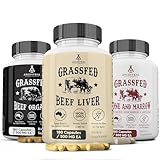
- Multi-organ complexes - blends that combine liver, heart, kidney, spleen, pancreas, and sometimes bone marrow for broad support.
- Targeted blends - formulations aimed at women's cycle support, brain and memory, or gut health.
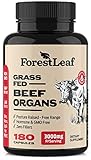
- Mg per serving and serving size - some products advertise 3000mg per serving while others use smaller single-organ amounts.
- Capsule count and stated supply length - check whether the bottle is a 30, 90, or 180 day supply.
- Processing method - freeze dried or desiccated is preferred to preserve nutrients.
- Testing and purity - look for third party batch testing, non GMO, and no fillers or flow agents.
- Allergen and additive information - gluten free, dairy free, and absence of synthetic isolates are important if you have sensitivities.
Where to buy and common mistakes to avoid
Where to shop:
- Online marketplaces give broad selection, pricing, and user reviews but verify seller reputation and batch testing links.
- Brand or manufacturer websites often post certificates of analysis and let you buy direct or subscribe for savings.
- Local health stores let you inspect labels and ask staff questions, but selection may be smaller.
- Buying only by price - the cheapest option may skimp on sourcing or testing.
- Ignoring serving size - a large bottle with tiny servings is not necessarily better value.
- Assuming more organs always equals better - match the organs to your health goal instead of buying a catchall product unnecessarily.
- Overlooking processing and testing - skip products that do not list origin, processing, or third party verification.
- Stacking with other supplements without checking overlap - you can easily double up on B12 or iron.
Expert tips and recommendations
Quick, actionable steps to buy confidently:
- Calculate cost per day: price divided by stated supply days gives a clear comparison.
- Pick the right category for your goal: single organ for targeted needs, multi-organ for broad support, or a women-specific formula for cycle support.
- Prefer freeze dried or desiccated products with third party testing and clear country of origin information.
- Start with the lower end of the recommended dose and track changes for 8 to 12 weeks before deciding to continue or switch.
- If you need steady results, choose a 90 day or 180 capsule supply to avoid interruption.
- When pregnant, nursing, or on medication consult your healthcare provider before starting any organ supplement.
Final Thoughts
Prioritize sourcing, processing, and testing when choosing a beef organ supplement. Match organ selection to your specific health goal, check mg per serving and supply length, calculate cost per day, and start slowly while tracking effects. Buy from sellers that publish batch testing or clear origin details, and consult a clinician if you are pregnant or on medications.


