



Buying Guide
How to Buy Insoles for Heel, Arch, and Achilles Pain
This quick guide helps you choose the right insole for plantar fasciitis, heel pain, Achilles tendonitis, flat feet, or long hours on your feet. Use the checks below to match support, fit, and durability to your shoes and lifestyle.
Key factors to consider
Match support to your foot shape and symptoms:
- Arch height and support level - low, medium, or high arch support directly affects relief.
- Heel cup depth - a deep, U-shaped cup stabilizes the heel and reduces strain.
- Cushioning and shock absorption - look for materials that absorb impact for your activity level.
- Shoe type and volume - low profile insoles fit athletic shoes; thicker, heavy-duty insoles fit work boots.
- Weight capacity and durability - some heavy-duty insoles list higher weight limits for greater stability.
- Fit and customization - trim-to-fit versus ready-to-use can matter if your shoe width or length is nonstandard.


Types and important features to look for
Common types
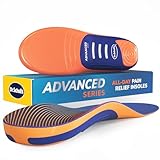
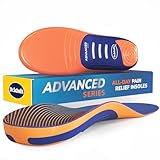
- Full-length orthotic insoles - built-in arch support and shock absorption for daily wear.
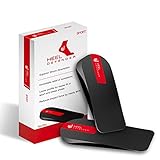
- Heel cups - targeted cushioning and slight elevation for Achilles and heel pain relief.
- Removable or adjustable arch inserts - let you change arch height or stack support.
- Gel or foam pads - best for extra cushioning or focused pressure relief.
- Firm but responsive arch support to reduce plantar fascia strain.
- Deep heel cup to stabilize and center the heel.
- Shock-absorbing layers such as PU, EVA, or PORON for long-term comfort.
- Breathable, moisture-wicking top layer to control odor and sweat.
- Anti-slip surface so the insole stays in place inside the shoe.
- Low-profile options if you wear dress or running shoes.
- Plantar fasciitis - firm arch support plus deep heel cup.
- Achilles tendonitis - cushioned heel cup that slightly elevates the heel.
- Flat feet or overpronation - stability-focused insoles with higher arch support.
- Long days on concrete or heavy work - heavy-duty shock-absorbing insoles with higher weight ratings.
Where to buy and common mistakes to avoid
Online vs retail
- Online pros - wider selection, detailed specs, price comparisons, and customer reviews.
- Retail pros - try fit in your actual shoes, immediate pickup, and in-person advice.
- Always verify return policy and warranty before buying online.
- Buying the softest option thinking it is the most comfortable; too-soft insoles can worsen support.
- Ignoring shoe volume - thick insoles can make shoes tight and cause new pressure points.
- Assuming one size fits all - trim-to-fit may be needed for a true fit.
- Expecting immediate cure - give new insoles a break-in period and combine with stretches.
- Not checking return or trial windows; exchangeability matters when fit is uncertain.

Expert tips and quick shopping checklist
Practical tips to try and compare:
- Measure your foot length and width and compare to the insole size chart.
- Start with a medium-firm support if you are unsure, then move firmer or softer based on comfort.
- Test new insoles in short increments the first week and gradually increase wear time.
- Keep original shoe insoles until you confirm the new pair fits well and does not cause rubbing.
- Look for moisture-wicking covers and anti-slip backing for all-day stability.
- If pain is severe or persistent, consult a podiatrist before long-term use.
- Correct size and trim-to-fit option
- Appropriate arch level and heel cup depth
- Material and shock-absorption suited to your activity
- Clear return policy and warranty
Final Thoughts
Choose an insole that matches your arch type, heel support needs, and shoe volume. Prioritize firm, structured support for plantar fasciitis and a cushioned heel cup for Achilles issues. Buy from a seller with a good return policy, test gradually, and get professional advice if pain does not improve.


