



Buying Guide
How to Buy Weight Gainers
This short guide helps you pick the right weight gainer quickly. It covers the main purchase factors, the common product types, the must-check specs, where to buy and quick dos and donts so you can act with confidence.
What to consider before you buy
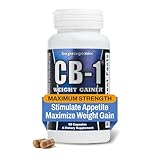
Your goal and calorie gap matter most. If you struggle to eat enough, choose a high calorie formula; some powdered gainers deliver about 1,200 calories per serving with roughly 50 g protein and 250 g carbs. If you want clean ingredients or follow a plant diet, look for vegan formulas that still deliver similar calories and protein. If you prefer a non-powder option, appetite booster tablets exist in 60 to 90 count bottles to help increase intake.
Budget and value: expect common price points between about $55 and $70 for large tubs or specialty formulas. Compare cost per serving rather than sticker price.
Health and allergies: check for dairy, soy, gluten and other allergens and whether the product uses third-party testing or notes country of manufacture. One option is labeled allergen friendly and third-party tested.
Budget and value: expect common price points between about $55 and $70 for large tubs or specialty formulas. Compare cost per serving rather than sticker price.
Health and allergies: check for dairy, soy, gluten and other allergens and whether the product uses third-party testing or notes country of manufacture. One option is labeled allergen friendly and third-party tested.


Types and categories
- High-calorie powder - Designed for rapid mass gain; often multi-scoop servings with high carbs and protein.
- Vegan plant-based powder - Uses pea and rice protein with alternative carbs like tapioca maltodextrin for a clean profile.
- Appetite booster pills - Tablet form to stimulate hunger and support calorie intake without shakes.
- Unflavored base vs flavored shakes - Unflavored gives control to add fruit or nut butters; flavored is ready to mix.
Key features and specs to check
Calories and macros per serving - Confirm calories, protein grams and carbohydrate grams per recommended serving and note whether serving equals one or two scoops.
Protein source and amount - Whey, blended proteins or plant proteins determine amino acid profile and digestibility. Look for at least 30 to 50 g protein if you are lifting.
Carbohydrate type - Complex carbs like maltodextrin provide sustained calories while sugars spike calories faster.
Extra ingredients - Check for added creatine, BCAAs, vitamins and minerals if you want those built in.
Serving count and servings per container - Divide price by servings to get cost per serving.
Allergen and ingredient transparency - Verify labels for allergens, and prefer products that list full ingredient amounts and third-party testing.
Protein source and amount - Whey, blended proteins or plant proteins determine amino acid profile and digestibility. Look for at least 30 to 50 g protein if you are lifting.
Carbohydrate type - Complex carbs like maltodextrin provide sustained calories while sugars spike calories faster.
Extra ingredients - Check for added creatine, BCAAs, vitamins and minerals if you want those built in.
Serving count and servings per container - Divide price by servings to get cost per serving.
Allergen and ingredient transparency - Verify labels for allergens, and prefer products that list full ingredient amounts and third-party testing.

Where to buy, common mistakes and expert tips
Online vs retail - Online gives more variety and often better prices, and product pages list full nutrition facts and reviews. Retail lets you inspect packaging and buy immediately; check best by date.
Common mistakes to avoid:
Common mistakes to avoid:
- Picking a product solely by calorie claim without checking ingredient quality or serving size.
- Ignoring allergens or assuming plant formulas are low calorie.
- Not calculating cost per serving or how many real servings you will use.
- Start with half servings for your first week to test tolerance and appetite response.
- Combine powder with calorie dense add-ins like milk, nut butter or oats to increase calories and flavor.
- Match the product to your training plan; pair high-calorie gainers with resistance training for muscle gain.
- Prefer products with clear labels and third-party testing when available.
- Track weight and adjust intake every 1 to 2 weeks rather than changing products too fast.
Final Thoughts
Choose a formula that matches your calorie gap, dietary needs and training plan. Compare calories, macros and cost per serving, verify allergens and testing, then start conservatively and adjust. With the right product and a consistent plan you will see steady progress.


