




Buying Guide
How to Buy Construction Staplers and Siding Nailers
This quick guide helps you choose the right stapler or siding nailer for outdoor fencing, mesh work, siding, and other construction tasks. It highlights what to consider, the main types, must-check features, buying channels, common mistakes, and fast expert tips to get you working sooner.
What to consider first
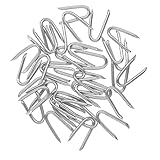
Project needs: Define the material and fastener size you will use. Light mesh and poultry fencing need small staples; heavy woven mesh and livestock fencing need thicker, longer staples. Job frequency: Choose a contractor-grade tool for daily use and a midrange tool for occasional jobs. Power source: Decide between pneumatic for continuous power, battery cordless for portability, or a coil siding nailer for siding and siding-like tasks. Budget and extras: Factor in the cost of the tool plus required consumables, air compressor or batteries, and common accessories like cases or belt hooks.


Types and when to choose each
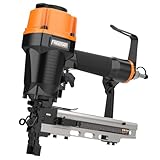
- Pneumatic fencing staplers - Best for professional fencing or long runs. They drive heavier 9 to 10.5 gauge staples and offer consistent power with an air compressor.
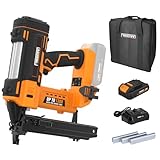
- Battery cordless fencing staplers - Best for remote jobs or when you want less setup. Look for included battery and charger for immediate use.
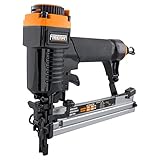
- Light pneumatic 16 gauge staplers - Good for vineyard trellising, pet enclosures, snow control fencing, and lighter mesh work.
- Coil siding nailers - Designed for siding and trim with long nails and a rotating magazine for high-capacity fastening.
Key features, specs, and mistakes to avoid
Must-check specs:
- Fastener compatibility - Confirm gauge and length range. Examples to expect: 16 gauge 3/4" to 1", 10.5 gauge up to 1-9/16", 9 gauge 1-1/2" to 2" and siding nails 1-1/4" to 2-1/2".
- Depth adjustment - Tool-free depth adjust lets you set countersink or flush drives quickly.
- Jam release - Quick access nose or jam release saves time when clearing stuck staples.
- Durability - Look for hardened steel drive blades, aluminum or magnesium bodies, and powder coated finishes for long life.
- Ergonomics - Comfort grip, belt hook, and T-handle options reduce fatigue on long shifts.
- Power efficiency - For pneumatic tools check optimized air flow; for cordless check included battery voltage and amp hours.
- Control modes - Select-fire options like sequential or bump firing give control for accuracy or speed.
- Buying a tool that does not support the staple or nail gauge you plan to use.
- Underestimating accessory costs: common needs include compressors, hoses, batteries, chargers, and consumables.
- Ignoring ergonomics and exhaust direction; these affect comfort and safety on long jobs.
- Skipping jam clearance and depth adjust checks; slow or imprecise tools cost time.
Where to buy and expert tips
Online vs retail: Buy online for wider selection, detailed spec comparison, and often bundled kits that include batteries, chargers, and bags. Buy in store when you want to feel the weight and grip or confirm fit of accessories. Check stock notices and delivery times - some pro-grade tools may be low in stock. Expert tips and quick recommendations:
- For remote or one-person jobs choose a cordless unit with an included battery and charger so you can start immediately.
- For heavy farm or contractor work choose a pneumatic 9 to 10.5 gauge stapler with a hardened steel driver and robust magazine.
- If you expect heavy daily use pick models with durable magnesium or anodized aluminum components and easy jam release.
- Keep spare fasteners, a spare battery or compressor kit, and a basic maintenance kit to avoid downtime.
- When buying online, read recent reviews about reliability and customer service, and confirm return and warranty terms.
Final Thoughts
Match the tool to your staple gauge and job type, prioritize depth adjust and jam release, and decide between portable battery power or steady pneumatic power based on where you work. Buy a kit that includes the things you need to start, and keep spare consumables and a maintenance plan to stay productive.


