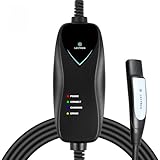
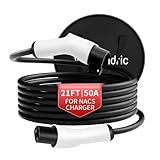

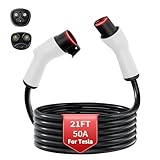
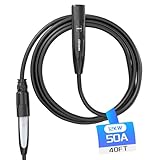

Buying Guide
How to Buy an EV Charging Extension Cord
This quick guide helps you pick the right EV charging extension cord for home, garage, or mobile charging. It covers the most important factors, the main types you will find, the specs to check, where to buy, common mistakes to avoid, and a few expert tips to help you act fast and safely.
What to Consider First
Know your charging setup and power needs before you buy. Match the extension to the charger and vehicle connector type. Confirm the maximum current and voltage your charger supports and pick a cord rated at or above that value. Consider how far you need to reach. Shorter cords are lighter, cheaper, and have less voltage drop. Longer cords add weight, cost, and potential heat, so only go longer when necessary. Factor in weather exposure and storage. If the cable will live outdoors or be frequently moved, choose a weatherproof construction and a durable jacket.


Types, Key Features, and Specs to Check
- Connector compatibility: Choose the correct connector standard for your vehicle and charger. Many extension cords are made for North American charging connectors (NACS) used by a growing number of vehicles.
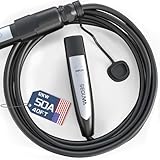
- Amperage and voltage: Common ratings are 48A to 50A at 240V for Level 2 charging. Always match or exceed your charger's output.
- Cable gauge and power handling: Look for heavy gauge copper conductors (for example, 8 AWG or equivalent) and manufacturers stating power handling like 11 kW to 12 kW.
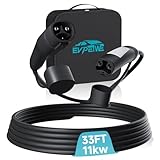
- Length options: Typical lengths in this set are about 21 ft, 33 ft, and 40 ft. Choose the shortest length that meets your needs to minimize loss and weight.
- Durability and weatherproofing: Check IP ratings (IP55, IP66) and materials such as TPE, PC+ABS, or thick insulated copper. Temperature ratings and flame retardancy (UL94 V-0) are good signs.
- Safety features and certification: Look for overcurrent, short-circuit, and temperature protection statements and any UL or similar safety listings.
- Useful extras: Dust covers, carrying case, reinforced strain relief, and a clear warranty (many vendors offer a 1-year warranty).
Where to Buy and How to Evaluate Sellers
Online marketplaces carry the widest selection and price range. Use them to compare lengths, ratings, customer photos, and verified reviews. Look for sellers with clear return policies, documented warranties, and responsive support. Check product descriptions for certification claims and downloadable specs. Retail or specialty EV shops let you inspect build quality in person and ask a salesperson specific questions, which helps when you want to see connector fit or feel the cable weight. For any purchase, prioritize certified products and sellers that provide support and easy returns.

Common Mistakes to Avoid and Expert Tips
- Do not assume the button on a connector will open the vehicle charge door. For many extension cords that button is decorative or only unlatches the plug and will not control the vehicle. Always stop charging via your vehicle or app before unplugging.
- Do not buy a cable with lower ampacity than your charger. Undersized cables can overheat.
- Do not assume compatibility with DC fast charging or proprietary fast chargers. These extension cords are for AC Level 1 or Level 2 use only.
- Measure your reach before you buy. A 21 ft cord is sufficient for many garages; longer lengths are useful for awkward parking but cost more and weigh more.
- Prefer cables with clear IP or UL ratings and with heavy copper conductors. Look for product photos showing connector pins, strain relief, and dust caps.
- Store the cable clean and dry. Use the included pouch or a dedicated reel to avoid kinks and abrasion.
- If unsure about power or wiring, consult a qualified electrician rather than oversizing or undersizing the cable.
Final Thoughts
Choose an extension cord that matches your connector standard and is rated at or above your charger current. Favor short, well-built cables with clear safety ratings and a seller that offers warranty and support. Measure the distance you actually need, verify compatibility, and avoid uncertified or undersized options. With the right cord you get safe, flexible charging at home or on the road.