




Buying Guide
How to Buy a Portable Inverter Generator
This quick guide covers the essentials for choosing a portable inverter generator: what to consider, the main types available, the features that matter, where to buy, common buying mistakes, and short expert tips to help you act fast and confidently.
What to consider first
Start with how much power you need. Add the starting wattage and running wattage of every device you plan to run at once, then add a 20 to 30 percent safety margin. Typical units in this group range from about 2,200 peak watts up to 5,000 peak watts, with running power commonly from about 2,000 to 3,900 watts. Consider these priorities: battery-powered or sensitive electronics - choose an inverter with low THD (under 3%). Runtime and fuel type - check tank size and rated consumption to understand hours at 25 to 50 percent load. Portability - look at weight, handles, and whether wheels are available. Noise - quieter units can be 50 to 61 dB at typical distances. Service and warranty - 1 to 3 year coverage and U.S. support are common. Budget - expect wide price variation based on power, features, and brand support.


Types and categories to choose from
Know the category differences so you pick the right tool for the job.
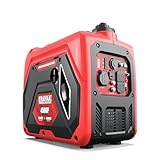
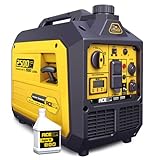
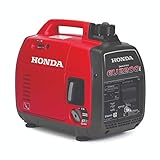
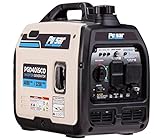
- Inverter portable generators - produce clean, low-THD power safe for laptops, medical devices, and sensitive electronics.
- Conventional portable generators - generally heavier, noisier, and less suited for sensitive gear but often cheaper for raw power.
- Single-fuel gas units - common and simple to use.
- Dual-fuel units - can run on gas or propane for fuel flexibility and longer storage life for propane.
- Parallel-capable models - let you link two units to double output later without buying a larger generator now.
- Feature-focused models - remote electric start, CO sensors, digital displays, and RV-ready 30A or 50A outlets are available on higher-end options.
Key features, specs, and where to buy
Look for these features and check buying channels before you decide.
- Outlets: confirm a combination of 120V household outlets, a 30A RV outlet if you need it, 50A capability on some units, plus 12V and USB ports for small devices.
- Power quality: inverter technology with THD under 3% is best for sensitive electronics; some units report THD as low as 0.2 to 1.2%.
- Runtime and fuel use: compare rated run hours at 25 and 50 percent loads and note tank capacity or propane run times.
- Noise level: if you plan to camp or use in neighborhoods, aim for 52 to 60 dB or lower at distance if possible.
- Starts and safety: electric or remote start, low oil shutdown, CO detection, and overload protection improve convenience and safety.
- Portability: check weight and whether a wheel kit or telescoping handle is included or sold separately.
- Warranty and support: prefer units with multi-year coverage and U.S.-based support.
Common mistakes to avoid and quick expert tips
- Buying too small - undersized generators are the most common error. Calculate exact starting and running watts before purchase.
- Ignoring surge (starting) wattage - motors and compressors need higher start power than running power.
- Overlooking THD - if you will run computers, medical devices, or modern TVs, prioritize inverter models with low THD.
- Forgetting future needs - choose parallel-capable units if you may expand power later.
- Neglecting maintenance - plan for oil changes, fuel stabilizer, and test runs so the unit will start in an emergency.
- Ignoring noise and local rules - check campground and neighborhood noise limits and place the unit accordingly.
Final Thoughts
Choose a model that covers your calculated wattage, protects sensitive electronics with inverter output, and matches your needs for runtime, noise, and portability. Shop online for selection and deals, but verify warranty and service options before you buy. Use the quick checklist in this guide to narrow choices, then buy from an authorized seller to protect your purchase and get support when you need it.


