


Buying Guide
How to Buy Coffee Creamer Powders
This quick guide helps you choose a powdered coffee creamer that fits your diet, taste, and routine. It covers what to prioritize, the common types you will see, must-check specs, where to buy, common mistakes to avoid, and expert tips to get the best cup fast.
What to consider before you buy
Decide your main goal first: creaminess, extra calories for a high-fat diet, added protein, cognitive support, or gut health. Check diet compatibility - vegan, keto, paleo, or gluten-free - and confirm common allergens. Look at serving count and price to calculate cost per serving. Note how the product dissolves and whether it is meant for hot or cold drinks.

Types and ingredients to know
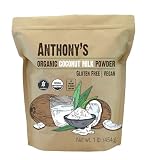
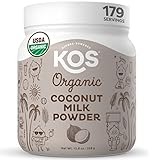
- Basic plant-based creamer - usually coconut milk powder for creaminess and a neutral flavor. Good if you want a dairy-free, shelf-stable option.
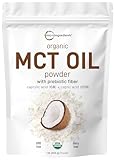
- MCT oil powder - provides quick energy from medium chain triglycerides. Look for C8 and C10 ratios if using for ketogenic fuel.
- Protein or collagen creamer - adds grams of protein per scoop to support recovery, skin, and joints.
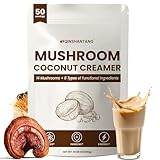
- Mushroom and adaptogen blends - include ingredients such as lion's mane, reishi, and turkey tail for focus and immune support.
- Probiotic or prebiotic formulas - support digestion; check probiotic CFU and type of fiber used.
Important features, where to buy, and mistakes to avoid
Important specs to check: serving size, servings per container, calories and fat per serving, protein mg per serving, and specific active amounts (for example, milligrams of collagen or mushroom extracts). Certifications to look for: organic, non-GMO, gluten-free, and vegan when relevant.
Online shopping pros: wider selection, ingredient lists and user reviews, easy price comparisons. Buy from reputable sellers, verify packaging dates if available, and calculate price per serving. Retail pros: you can check texture and smell and pick up single bags without waiting.
Common mistakes to avoid:
Online shopping pros: wider selection, ingredient lists and user reviews, easy price comparisons. Buy from reputable sellers, verify packaging dates if available, and calculate price per serving. Retail pros: you can check texture and smell and pick up single bags without waiting.
Common mistakes to avoid:
- Buying based on marketing instead of ingredient amounts. Look for milligrams of actives or grams of MCT, not just a list of ingredients.
- Ignoring serving count. A cheaper jar can cost more per serving.
- Assuming all powder mixes easily. Some formulations clump and need stirring or blending.
- Overdosing new actives. Start at half a serving when trying collagen, MCT, or adaptogens.

Quick checklist and expert tips
- Match the base to your diet: coconut or plant base for dairy-free, dairy base for a creamier mouthfeel.
- Prioritize ingredient amounts: C8/C10 split for MCT, mg of collagen, mg of mushroom extracts, and probiotic CFU.
- Calculate price per serving: price divided by servings gives the real cost.
- Test mixability: use a spoon for hot coffee and a blender or shaker for iced drinks.
- Start small: use half the recommended scoop until you confirm taste and tolerance.
- Store properly: keep powdered creamers in a cool, dry place and seal tightly to preserve freshness.
Final Thoughts
Choose the creamer that directly supports your priority - energy, protein, focus, or digestion - and verify the active ingredient amounts and servings per container. Buy a small size first, check mixability and tolerance, then commit to a larger pack once you know it works in your routine.