




Buying Guide
How to Buy an Outdoor Pizza Oven
This quick guide helps you pick the right outdoor pizza oven by covering the most important buying factors, the main types on the market, the specs to check, where to buy, and common mistakes to avoid. Use these points to decide fast and confidently.
Key factors to consider
Think about how you will use the oven and match features to that use. Important considerations include
- Frequency and style: occasional backyard use vs frequent entertaining or restaurant style pizza
- Fuel type: propane, natural gas, wood, or hybrid
- Portability and footprint: tabletop/portable models vs built-in units
- Temperature capability: true wood or gas pizza ovens reach 800 to 1000+ degrees F for 60 to 90 second bakes
- Pizza size and capacity: common capacities are 12 to 16 inches per bake
- Budget and long term value: expect prices from about $100 for basic portable units up to $1,300 or more for built-in and higher power ovens


Types available
Choose the type that fits your needs
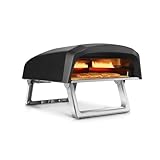
- Portable gas ovens: lightweight, fast to heat, great for tailgates and patios
- Tabletop or foldable models: compact, easy to store, usually for 12 inch pizzas
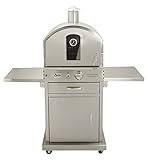
- Natural gas or built-in ovens: fixed installation, higher continuous power, fit outdoor kitchens
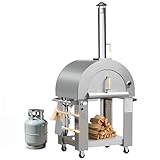
- Wood fired and dual-fuel ovens: authentic flavor, higher peak temps, larger footprint and chimney requirements
Must-have features, specs checklist and common mistakes
Check these specs before you buy
- Max temperature and preheat time: look for 800 to 950+ degrees F and 10 to 20 minute preheat for true stone-baked results
- Cooking surface: cordierite pizza stones handle high heat and release steam for crisp crust
- Construction and materials: stainless steel (304 preferred) for corrosion resistance and longevity
- Fuel compatibility: confirm propane vs natural gas compatibility and whether a regulator or hose is included
- BTU or power rating: higher BTU means faster recovery and stronger searing
- Size and opening: wide-mouthed openings make turning pizzas easier
- Accessories and extras: included stone, peel, covers, wheels, or folding legs add value
- Buying the wrong fuel type. Natural gas models often cannot be converted to propane
- Underestimating clearance and ventilation needs for wood or high-heat ovens
- Assuming all stones are equal. Cheap stones can crack at high temps
- Overpaying for features you will not use. Portable ovens offer big performance for small budgets
- Ignoring what is included. Missing regulator, hose, or ignition system adds cost and hassle

Where to buy and expert tips
Online marketplaces give the widest selection and customer reviews while retail stores let you confirm size and build in person. When deciding
- Buy online for model comparison, prices, and user reviews. Confirm seller ratings and return policy
- Buy in-store to see dimensions, test feel, and avoid shipping damage
- Check warranty, assembly requirements, and whether a regulator, hose, or natural gas fittings are included
- If you want fast, frequent pizza, prioritize ovens that reach 900+ degrees F and have a quality pizza stone
- For occasional use choose a compact propane model under $250 for easy setup
- If building an outdoor kitchen, invest in a built-in natural gas or high-BTU unit for reliability
- Buy an infrared thermometer and a good pizza peel. Season the stone with a few test bakes before guests arrive
- Protect stainless steel with a cover and inspect hoses and regulators each season
Final Thoughts
Match oven type and temperature performance to how you cook. For portable, simple pizza nights choose a compact gas model with a cordierite stone. For frequent high-heat baking or an outdoor kitchen, choose a higher BTU natural gas, built-in, or wood capable oven. Check fuel compatibility, included accessories, and real user feedback before you buy.


