



Buying Guide
How to Buy Portable Handheld Arc Welders
This short guide helps you pick a compact 110V handheld ARC welder for home repair, auto work, and light fabrication. It covers the key buying factors, the types and must-have specs, where to buy, common mistakes to avoid, and quick expert tips to get welding fast.
Key factors to consider
Input power and compatibility: confirm the unit runs on standard 110V household power if you need mobility or job site convenience.
- Amperage range: 20 to 120 amps is ideal for a wide range of light to medium tasks.
- Rod compatibility: look for support for 3/32" (2.5mm) to 1/8" (3.2mm) electrodes for versatility.
- Portability: most handheld units weigh 3 to 4 pounds; consider carry weight and size if you will weld offsite.
- Safety and cooling: active 360 degree cooling, overheat protection, and insulated handles extend life and reduce downtime.


Types and important features to look for
Main type: compact IGBT inverter ARC stick welders designed for portability and simple stick welding. Key features to prioritize:
- IGBT inverter tech - delivers steadier arc, cleaner welds, and better efficiency than older designs.
- Hot start and anti-stick functions - make arc striking easier and prevent electrode sticking for beginners.
- Adjustable current control - a multi-step knob or dial gives quick selection for thin sheet to thicker joints.
- No-load voltage and arc stability - higher no-load voltage helps start arcs reliably.
- Duty cycle and thermal protection - even small units should have automatic shutoff on overheat; ask for duty cycle numbers if you plan longer runs.
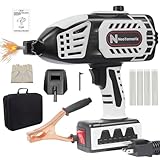
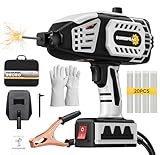
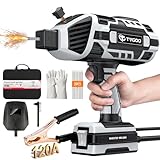
- Accessories and kit contents - clamps, mask, gloves, and rods in the box add immediate value.
Where to buy and common mistakes to avoid
Online shopping benefits: wider selection, price comparison, and many user reviews. Check seller ratings, return policy, warranty terms, and included accessories before buying. Retail benefits: see build quality and ask staff questions, faster returns and immediate pickup. Common mistakes to avoid:
- Assuming all compact welders can handle heavy production work - these units are for light to medium tasks.
- Overlooking input voltage and plug type - do not rely on adapters without checking rating.
- Ignoring rod size support - buying a unit that only accepts thinner or thicker rods limits jobs you can do.
- Skipping safety gear - a helmet, gloves, and proper ventilation are not optional.
- Buying solely on price - extremely cheap units may lack cooling, safety features, or reliable components.

Expert tips and quick recommendations
Budget and use case: for occasional home and auto repair pick an entry-level unit around the lower price range; for regular projects choose a midrange unit with better cooling and accessories. Quick checklist before you buy:
- Confirm 110V operation and a 20-120A range for maximum versatility.
- Choose IGBT inverter design with hot start and anti-stick features.
- Prefer packages that include extra rods, a face shield, and gloves.
- Plan for a short extension cord rated for the welder and avoid long thin cords that drop voltage.
- On first use, practice on scrap metal to dial in amperage and technique.
Final Thoughts
Pick a portable inverter ARC welder that matches the jobs you plan to do, prioritizing 110V compatibility, a 20-120A range, rod support for 3/32" to 1/8", and safety/cooling features. Buy from a reputable seller with a clear return policy and keep basic safety gear and spare rods on hand to start welding with confidence.