


Buying Guide
How to Buy the Best Home WiFi Router or Modem-Router Combo
This short guide helps you choose between routers, modem-router combos, and advanced gaming or mesh systems. It highlights the practical specs to check, common pitfalls, where to buy, and quick expert recommendations so you can act fast.
Key factors to consider
Start by matching the device to your internet type and plan.
- Internet compatibility: Verify the device supports your service type. Cable combos must support DOCSIS 3.1 and a coax connection; they will not work with DSL or fiber that uses an Ethernet handoff.
- Plan speed and headroom: Buy hardware rated for at least your plan speed. Modern options advertise multi-gig capabilities like 2.5G, 10G, or aggregate port speeds up to 6 Gbps or higher.
- Coverage and device count: Look at the advertised coverage in square feet and typical concurrent device support. Small homes often need 1,500 to 3,000 sq ft coverage; larger homes may need mesh or a high-end router rated 3,500 to 5,000 sq ft.
- Wired needs: Count Ethernet devices and prefer multi-gig ports if you use NAS, gaming consoles, or 4K/8K streamers.
- Security and management: Check for WPA3 support, built-in threat protection, and easy mobile app management for speed tests and parental controls.
- Budget and long term cost: A combo can eliminate monthly modem rental fees. Balance purchase price against savings and expected lifespan.


Types and important specifications
Know the main types and the specs that matter most.
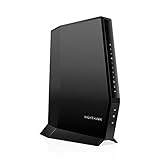
- Modem-router combo: Best when you have cable service and want to stop renting a modem. Look for DOCSIS 3.1, channel bonding like 32x8, and built-in WiFi rated to your needs.
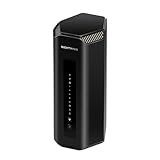
- Router-only: Required if you have fiber or already own a modem. Choose one with the right bands and ports for your home.
- Mesh and multi-node systems: Choose when you have dead zones or very large homes. Prefer systems that support wired backhaul.
- Key specs to compare: WiFi generation (WiFi 6 vs WiFi 7), number of bands (dual, tri, quad), channel width support like 320 MHz, Multi-Link Operation, QAM, Ethernet port speeds (1G, 2.5G, 10G), port aggregation, USB 3.0, CPU and RAM for heavy loads, and advertised max throughput (examples in market range from single-digit Gbps up to 30 Gbps on top-tier models).
Where to buy and mistakes to avoid
Choose the right seller and avoid common buying errors.
- Online vs retail: Buy online for wider selection and quick price checks. Buy in-store if you want hands-on setup help or to test returns immediately. Always confirm return window and warranty details before you buy.
- Authorized sellers: Buy from reputable retailers or authorized dealers to ensure warranty support and genuine firmware updates.
- Compatibility mistakes: Do not buy a cable combo for fiber or DSL. If the product lists max plan speeds, confirm your ISP supports that speed on your street.
- Feature overkill: Avoid paying premium for the latest WiFi standard if you only have a low-speed plan or few devices. Conversely, do not underbuy if you stream 4K, game online, or run many smart devices.
- Placement and signal assumptions: Coverage claims assume optimal placement. Plan for placement central to living areas and consider mesh nodes for multi-floor homes.

Expert tips and quick recommendations
- If you use cable internet and want to stop renting, pick a DOCSIS 3.1 modem-router combo that lists compatibility with your ISP and supports channel bonding.
- If you have fiber or a separate modem, choose a router-only device with multi-gig LAN ports and strong CPU/RAM for many devices.
- Prioritize multi-gig Ethernet or port aggregation if you move large files or host a NAS.
- For gaming and AR/VR, consider WiFi 7 or top-tier WiFi 6 devices with features like low-latency game acceleration and QoS.
- Enable WPA3 and automatic firmware updates, and use the vendor app to run a speed test after setup to confirm you are getting plan speeds.
- Keep the router elevated and central, avoid placing near metal objects, and use wired backhaul for mesh nodes when possible.
Final Thoughts
Match the device type to your internet service, prioritize the right ports and WiFi generation for your usage, and check seller return and warranty policies. If you want simplicity and are on cable, a DOCSIS 3.1 combo can save rental fees. If you value flexibility and future proofing, choose a router-only unit with multi-gig ports and strong processing power.