



Buying Guide
How to Buy a Dash Cam
This short guide helps you choose the right dash cam fast. It covers what matters most, the main product types, the specs to check, where to buy, common buying mistakes, and quick expert tips you can act on today.
Key factors to consider
Focus on these priorities before you buy
- Resolution and sensor quality - 4K front is best for reading plates but a good low-light sensor matters more than resolution alone.
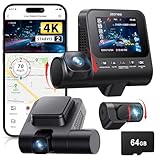
- Channels and coverage - single front for basic protection, dual front+rear for full road coverage, 4-channel for side and interior views or full 360 coverage.
- Night performance - look for large aperture numbers like F1.5 to F1.8 and low-light optimized sensors for clearer night footage.
- Parking mode and power - confirm whether parking mode needs a hardwire kit and prefer capacitor or batteryless designs for heat tolerance.
- Storage - choose a unit that supports large microSD cards and consider buying at least 128GB for dual-channel 4K recording; use high-endurance cards (V30 or better).
- Connectivity and GPS - built-in GPS adds location and speed stamps; 5GHz or 5.8GHz WiFi makes downloading large files faster via an app.
- Build and warranty - look for reliable customer support and at least a 12 month warranty, and check if an SD card is included.


Types and categories
Match the type to your needs
- Basic single-channel 1080p - cheapest option for front-only monitoring and simple evidence gathering.
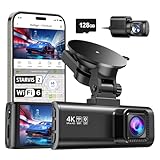
- Dual-channel front + rear - best balance of price and protection for most drivers.
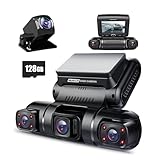
- 4-channel systems - choose if you want side and cabin coverage or full 360 protection around the vehicle.
- Mirror-style or compact behind-mirror units - discreet mounting that keeps the windshield view clear.
- High-end 4K front units - ideal for frequent highway driving or if you need clear plate-level detail.
Important features and specs to check
Verify these technical details before you buy
- G-sensor and automated crash lock - ensures collision clips are locked and not overwritten.
- Loop recording and file management - needed so recording continues when the card is full.
- Parking mode type - time-lapse saves space but requires a hardwire kit for 24 hour monitoring; confirm power cut protection to avoid draining the battery.
- Power design - prefer capacitor or no-battery designs for long life in hot cars.
- Maximum supported microSD - buy a camera that supports 256GB to 1TB if you want extended recording windows.
- WiFi band and app - 5GHz or dual-band WiFi provides faster downloads; check whether the app limits features behind a paid membership.
- Screen and controls - touch screens and voice control are convenient but confirm basic button control for reliability.

Where to buy, common mistakes to avoid, and expert tips
Buying guidance and quick actions
- Online vs retail - buy online for wider selection, bundled memory cards, and user reviews; check return policy and warranty terms. Visit retail if you want to see screen size and feel the mounting hardware in person.
- Common mistakes - buying solely on highest resolution, ignoring parking power needs, using a generic low-end microSD card, and skipping tests after installation.
- Expert tips - get at least a 128GB high-endurance V30 card for dual-channel 4K; install behind the rearview mirror to minimize obstruction; hardwire the camera for reliable parking mode; format the card in the camera before first use; perform a short test drive to confirm angle, GPS, and app pairing; save important clips to your phone or cloud right away after an incident.
- Quick checklist before checkout - resolution vs sensor quality, night aperture, parking mode requirements, included SD card and max card supported, WiFi band, GPS, power type, warranty length, and customer support availability.
Final Thoughts
Choose a dash cam that balances real-world low-light performance, reliable parking power, and storage capacity for your driving habits. For everyday drivers, a dual-channel unit with good night vision, GPS, a capacitor power design, and a 128GB or larger high-endurance card is the fastest path to reliable evidence and peace of mind.