


Buying Guide
How to Buy a Smart Water Monitor with Automatic Shutoff
This quick guide helps you pick a smart water monitor that detects tiny leaks, sends real-time alerts, and can automatically shut off water to protect your home. Use the steps below to compare types, check specs, avoid common errors, and buy with confidence.
What to consider and main product types
Start by matching the device to your goal and budget. Consider these options:
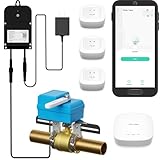
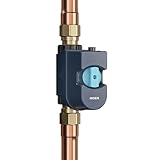
- Whole-home inline shutoff with integrated monitoring - installs on the main supply line and can cut water automatically.
- Monitor-only flow sensor - tracks flow and alerts you but does not close the valve.
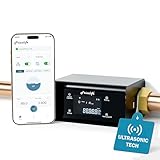
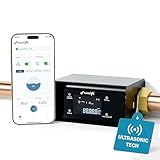
- High-sensitivity flow detectors - ultrasonic or pressure-wave analysis for micro leak detection down to 0.01 gpm.
- Hybrid units - combine analytics, usage reporting, and automatic shutoff for comprehensive protection.


Key features and specifications to look for
Prioritize these capabilities when comparing models:
- Automatic shutoff - essential if you want active protection rather than alerts alone.
- Detection sensitivity - look for low-flow detection (for example 0.01 gpm) if you need to catch pinhole leaks.
- Pipe compatibility and thread type - confirm pipe diameter and thread standard (for example NPT or NPSM) so the unit fits without adapters.
- Power and connectivity - many units require constant power and Wi-Fi. Verify outlet access and reliable network coverage where the device installs.
- App alerts and reporting - real-time notifications plus daily/monthly usage reports help spot anomalies and wasted water.
- False alarm reduction - learning algorithms or customizable thresholds reduce nuisance shutdowns.
- Third-party validation, included installation hardware, warranty, and customer support - these matter for reliability and service.
Where to buy and installation considerations
Choose a purchasing route based on convenience and support:
- Online marketplaces - best for selection, price comparison, and reading user reviews. Check stock and seller return policy before buying.
- Local plumbing supply or big-box retailers - good when you need immediate pickup or plan to coordinate a professional installation.
- Professional installation - recommended for main-line shutoff devices. A plumber will confirm pipe size, thread type, water pressure, and safe electrical setup.
- Pre-install checklist - measure pipe diameter, confirm thread standard, ensure a nearby grounded outlet, test Wi-Fi signal at installation point, and review the device leak-test procedure before turning the system on.

Common mistakes to avoid and expert tips
- Wrong sizing or thread mismatch - measure twice, order once. Adapters can help but add leak points.
- Assuming no power or Wi-Fi needed - many devices must be plugged in and connected for alerts and remote control.
- Skipping professional install for main shutoff - improper install can cause leaks or false trips.
- Leaving default sensitivity - tune thresholds to your household to reduce false alarms.
- Not testing after install - use built-in leak-test functions to verify operation right away.
- Prioritize automatic shutoff when protecting primary plumbing lines.
- Look for devices with proven low-flow detection if small leaks are a concern.
- Keep firmware and app software updated and register for vendor support.
- If budget is tight, start with a monitor-only sensor and upgrade to an inline shutoff later.
Final Thoughts
Pick a unit that fits your pipe size, provides the level of detection you need, and offers automatic shutoff if you want active protection. Buy from a seller with clear return and support policies, plan for professional installation on the main line, and run the device leak test as soon as it is installed.